Cinematography, the art of photography and camerawork in film-making. This art applies different techniques that apply proper visual effects that can alter the emotional predisposition of a viewer. The broad theme seeks to set moods, transmit messages and concepts to be clear to the viewers without it literally explaining it. Such things as lighting, camera placement, colour, framing, shot structure, shot transitions can affect the viewers feelings and mood.
Lighting is used to set mood, direct the attention of the viewers and provide information. Light up a scene to make it happy and take light away to give it a more dark and sinister mood. You can light a particular scene to direct the attention of the person watching.
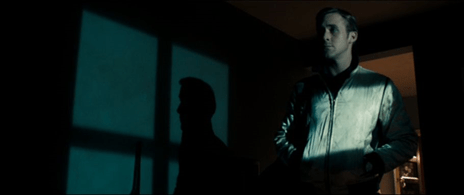
Cold lights can emit sadness, quietness, danger, fear.
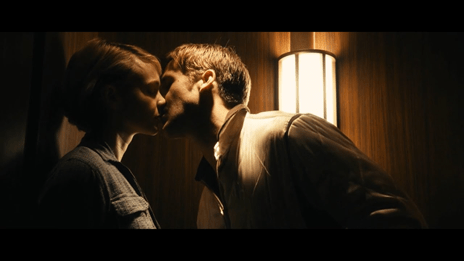
Warm lights can represent relaxation, happiness, tranquillity and cosiness.
Colour in cinematography can be used in various ways to either change the mood, create contrast or direct the attention of the viewer and set the environment for the scene, the person concerned needs to manipulate the hue of the colour, its brightness and its saturation to evoke the desired effect. Unsaturated colours for duller and sadder moods and more saturated colours to evoke more intense emotions. Brighter and darker colours to create contrast and attract the viewers attention. And changing the colours to evoke a particular emotion.
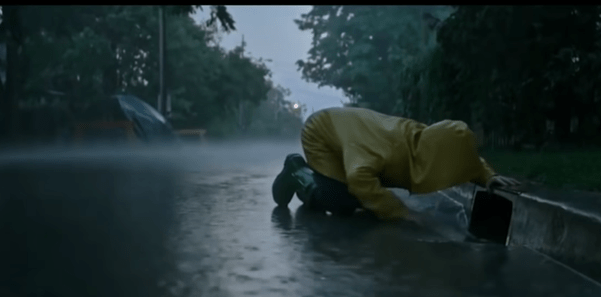
The kid from It movie (2017, Andy Muschetti), the kid’s yellow jacket represents the innocence and ingenuity of a child. It is contrasted with the dark and unsaturated environment that gives the viewer uneasiness and an ominous feeling, preparing the viewer to be scared to the kid that strayed away in the rain.
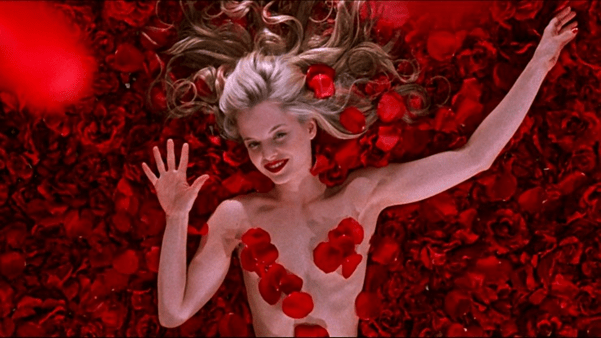
The scene from the well-directed “American Beauty” (1999, Sam Mendes) represents intensity the feeling of love using intense vivid red petals overwhelming the screen.
Changing the camera placement can evoke also various insight for the viewers, such as a camera looking from below to above can give idea of grandiosity and emphasize the viewer by making him feel inferior to the scene or from above to below making the viewer feel bigger. The movement of the camera is also important for it can directing the viewers’ attention and or inform him to switch his focus.
The shot Structure refers to the placement of shots inside a scene, choosing between deductive and inductive shot sequencing, this to highlight the objects or characters relationships existing between the subjects of a scene.
The special thing about animation that sets it apart from cinema is the capacity of doing whatever you want with these principles of cinematography and play with them without limitations.
For my case study of the subject, I want to do it of one of the most innovative and creative works of animation of the recent century, BoJack Horseman by Raphael Bob-Waksberg, where it combines various techniques of cinematography to emphasize its dark comedy drama environment where it mixes human and animal like human creatures living together in the same world. Constantly Directing to impact the viewer attention to either laugh or cry.
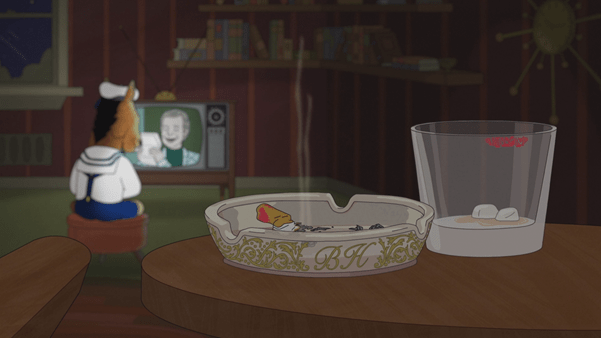
This scene from the show shows, the young protagonist Bojack Horseman staring at the TV, a kid yearning for attention. The colours of the shot are unsaturated and dark to represent the eerie and sad environment, one of the most important moods of the shot is the camera placement in the front plane of the ashtray with the unlit cigarette and the finished cup of alcohol. This scene indicates the user of an unattended child, the mother is present but not in the shot, showing the alcoholic behaviour of the mother. The strong red lipstick stains on both cup and cigarette function to create a connection between the two.
Another creative and amazing shot sequence of the show is the intro. The intro changes throughout the seasons, but the shot sequence is always the same. The sequence follows a pinned frontal camera on our character, with match cut editing (cutting between one shot to another while maintain the main subject or action in the same position) travelling between different environments and times. With lighting, camera movement following and colours changing to describe the characters development and setting of the show.
While film has some limitations of what in can do, where you have to pay a lot for amazing equipment and create complicated shots, animation on the other hand does not, and allows the creators to manipulate all the techniques in film and more. Bojack horseman has various examples of how these techniques were used to create drama and comedy.
Links and Sources:
 Samuel WorkWeek blog - Research